
What is in a block?
A block holds a batch of transactions plus a header with a timestamp, a fingerprint of the previous block and the data used to agree on it.
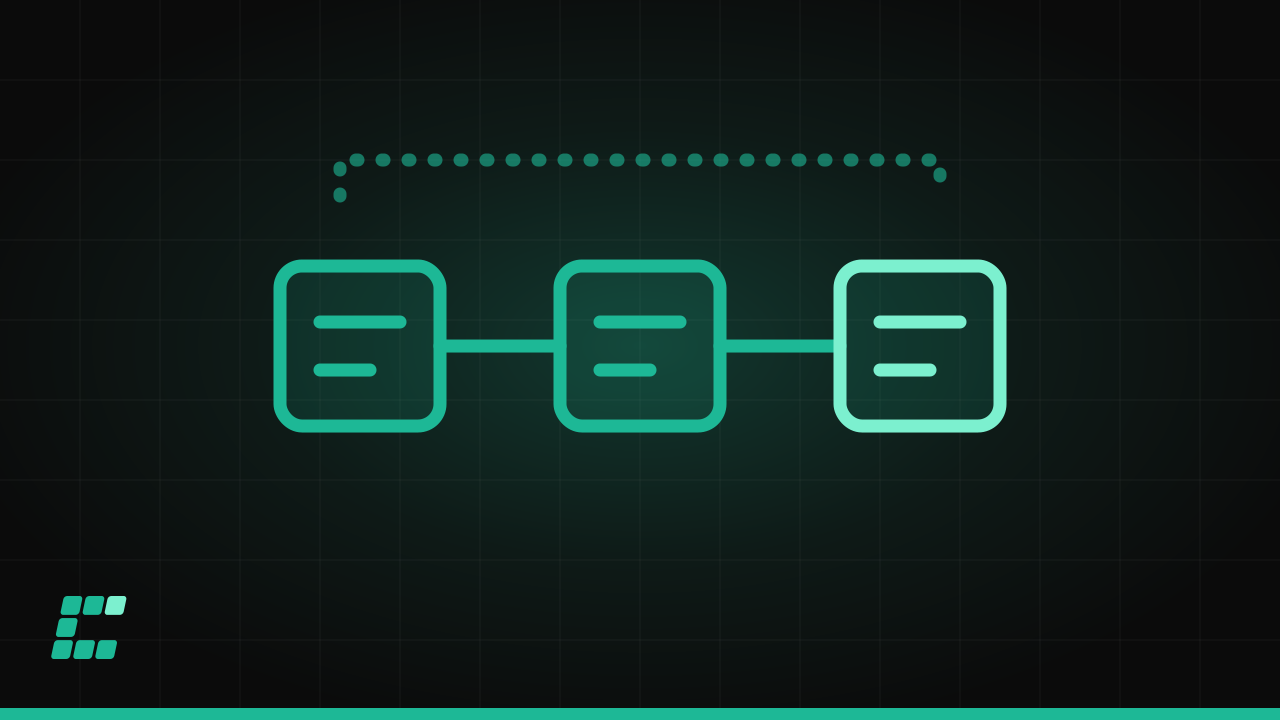
A block is a batch of transactions bundled with a small amount of identifying data and added to a blockchain as a single unit. Each block points back to the one before it, which is what forms the chain.
What does a block contain?
A block has two parts: a header and a list of transactions. The header is a short summary that identifies the block. In bitcoin it includes:
- The previous block's hash. A hash is a digital fingerprint. Storing the last block's fingerprint ties the two together.
- A timestamp. Roughly when the block was created.
- A summary of the transactions. One hash calculated from every transaction in the block, known as the Merkle root. Change any transaction and this value changes.
- Mining data. The difficulty target and a number called the nonce, which miners alter again and again until the block's own hash meets the target. Proof-of-stake chains record validator data here instead.
The rest of the block is the transactions. In bitcoin, the first one is special. It pays the miner who built the block the newly created coins and the fees from every other transaction in it.
What are block time and block size?
Block time is the average gap between blocks. Bitcoin aims for about 10 minutes and adjusts the difficulty of mining to stay there. Ethereum produces a block every 12 seconds.
Block size is how much data a block may hold. Bitcoin began with a limit of 1 megabyte. A 2017 upgrade changed the measure to "weight," which lets blocks be somewhat larger. Ethereum caps each block by the computing effort its transactions need, measured in gas.
Together the two set how many transactions a network can handle. Bigger or faster blocks carry more, but they make it harder for ordinary computers to keep up as nodes. That argument split the bitcoin community in 2017 and produced Bitcoin Cash.
What is the genesis block?
The genesis block is the first block on a chain. Bitcoin's was created on January 3, 2009 by the network's pseudonymous founder, Satoshi Nakamoto. It contains the text of a newspaper headline from that day about a bank bailout. The 50 bitcoin it paid out cannot be spent, because of the way the block was coded.
Can a block be changed?
Not in practice, once others are built on top. Altering a block changes its hash, which breaks the link stored in the next block and every one after it.
The newest blocks are less settled. Two valid blocks are sometimes found at almost the same moment. The network soon settles on one, and the other is discarded, with its transactions returned to the queue. This is why recipients often wait for several blocks before treating a payment as final.
This guide explains how things work. It is not financial, legal or tax advice. Last updated .