
How does a blockchain work, step by step?
A blockchain takes a signed transaction, spreads it across a network of computers, checks it, packs it into a block and links that block to the chain.
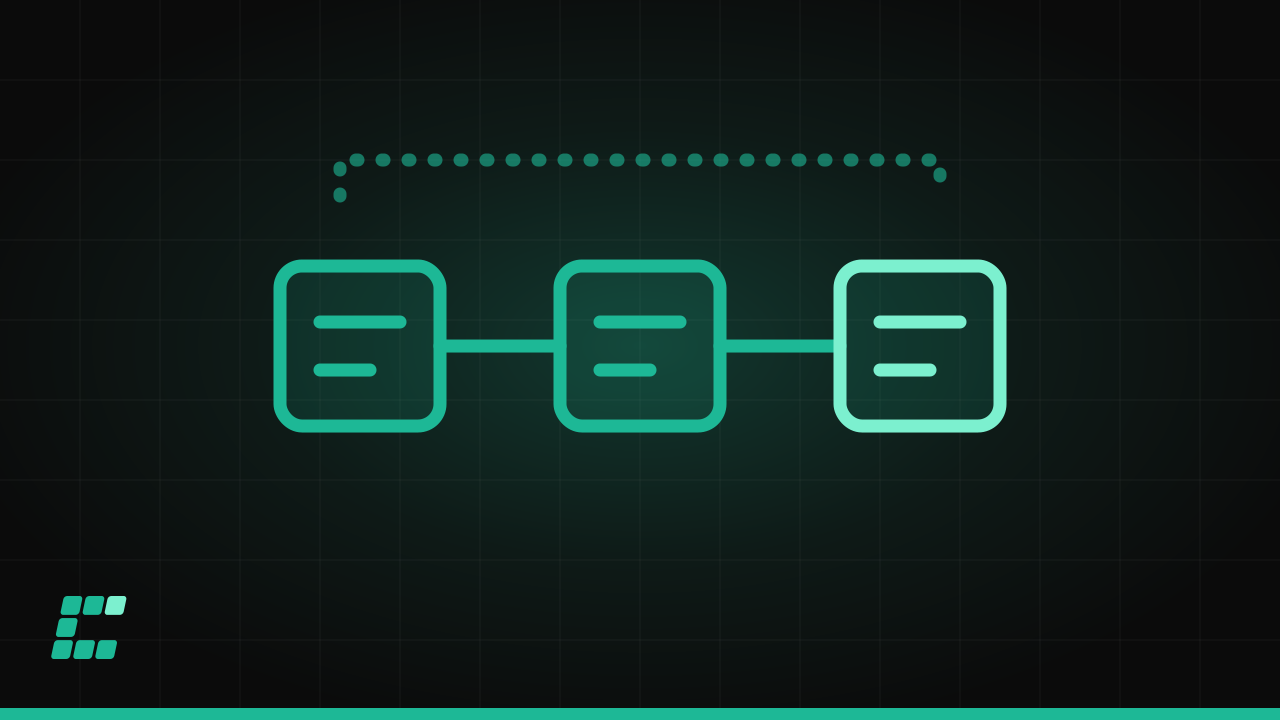
A blockchain works by having a network of computers check every new transaction, group the valid ones into a block and agree to add that block to a shared record. The steps below follow one payment from start to finish.
What happens when you send a transaction?
- You create a transaction. Your wallet writes a message that says, in effect, move this amount from my address to that one. It signs the message with your private key, a secret number that proves the coins are yours to spend.
- The transaction is broadcast. The wallet sends the signed message to a few computers on the network, called nodes. Each passes it to others, and within seconds it has spread across the network.
- Nodes validate it. Every node checks the signature and looks at the ledger to confirm the sender has the funds and has not already spent them. Invalid transactions are dropped. Valid ones wait in a queue often called the mempool.
- A block is built. A miner or validator picks transactions from the queue, usually favoring those that pay higher fees, and packs them into a block.
- The network reaches consensus. The block is proposed under the chain's consensus mechanism. On bitcoin, miners compete to solve a computing puzzle. On Ethereum, validators who have put up coins as a deposit take turns.
- The block joins the chain. Other nodes check the new block and, if it follows the rules, add it to their copy of the ledger. The block contains the hash, or digital fingerprint, of the block before it, which links the two.
How long does it take?
It depends on the network. Bitcoin is designed to produce a block about every 10 minutes. Ethereum produces one every 12 seconds. A transaction that pays a low fee can wait much longer when the network is busy.
When is a transaction final?
Being included in a block is called a confirmation. Each block added on top counts as another. On bitcoin, reversing a payment would mean redoing the work for its block and every block after it, so the risk shrinks with each confirmation. Many businesses wait for several before treating a large payment as settled.
Ethereum adds a formal step. Validators vote on batches of blocks, and once enough have voted, usually within about 15 minutes, those blocks are treated as final.
What can go wrong?
The process is automatic. The network confirms that the signature matches and the funds exist. It does not know whether you typed the right address or whether the person who signed was the rightful owner of the key.
A confirmed payment to a wrong address or a fraudster generally cannot be recalled. The design also limits speed, which is why busy networks have added layer 2 systems that process transactions off the main chain.
This guide explains how things work. It is not financial, legal or tax advice. Last updated .