Federal Cryptocurrency Law: What Comes (and What Should Come) Next — Part 3

This is the third post of a three-part series on discrepancies in the US between state and federal laws on cryptocurrency. The first post, “State vs. Federal Laws in Cryptocurrency: Blue Sky, or Running in the Red?” ran on BX3 Capital’s blog. The second post, “State-level Cryptocurrency Laws: New York, We Love You, But You’re Bringing Cryptocurrency Down,” ran December 14 on Cryptoweek.
There exists no federal law directly regulating cryptocurrencies or cryptographic blockchain tokens. On the other hand, state laws in this area are rapidly emerging and vary widely, from pro-blockchain industry state laws like those of Wyoming and Delaware, to restrictive state laws such as New York’s sweeping BitLicense prudential regulation.
I share the view of participants in the September Congressional roundtable on cryptocurrency such as BX3 Capital that to the extent disclosure-based regulation of the cryptocurrency and blockchain token markets would benefit the industry by reducing fraud and encouraging capital investment, such regulation should take place at the federal level, in order to provide for certainty and interstate uniformity. Modern commerce is increasingly borderless, as more commerce is conducted over the Internet and more of the assets transacted in are digital. And this effect is only amplified by the decentralized nature of blockchain technology.
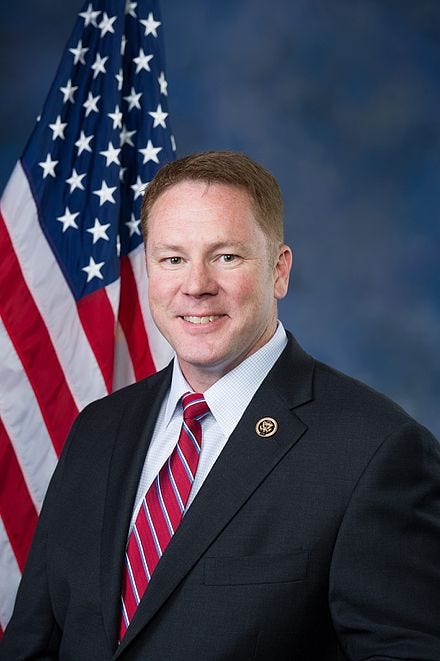
Rep. Warren Davidson (R-Ohio) has announced plans to introduce legislation that brings so-called light-touch federal regulation to the cryptocurrency and blockchain token markets. The intent of the bill is to increase regulatory certainty by adding selected definitions and exemptions to federal law. In considering this and other bills that have recently been introduced, Congress should be mindful of the benefit that an express federal preemption clause would bring to such laws. To be clear, such a clause would not be aimed at preempting state anti-fraud, criminal or tort laws. Yet to the extent a state law sets a different standard, for example, for what constitutes an open blockchain token vs. a securities token, that standard should be expressly preempted by the federal definition. In the absence of such a provision, a token issuer could find itself being treated differently by different states and jurisdictions, thus creating confusion and uncertainty.
Furthermore, the Congress could grant the SEC express federal preemption authority over state securities registration and disclosure requirements to the extent the SEC regulates in the area of — or creates safe harbors with respect to — securities tokens or other blockchain cryptoassets. The SEC already has limited preemption authority under the National Securities Market Improvement Act of 1996. As the concepts of cryptographic blockchain assets are added to our federal law, however, they should enjoy uniform application across the United States and its territories. State-based blue-sky requirements do not make sense in the blockchain context; they merely add expense and confusion.
As has been said many times, we tend to overestimate the impact of new technologies in the short term, and tend to underestimate that impact in the long term. Federal lawmakers and regulators should be thinking long term and clear a path for this underestimated technology to flourish under sensible and consistent regulation.

Philip C. Berg, a longstanding lawyer with Otterbourg P.C.and chairman of its corporate department with deep expertise in the cryptocurrency sector, has several thoughts on how regulation of virtual currency and blockchain assets should play out in the medium to long term on both the state and federal level. Whether about how federal policy would harmonize state-level regulations or how light-touch regulation would let US investment flourish, across a series of op-ed articles, Berg offers his insights on what tack the Securities and Exchange Commission(SEC) may want to consider as digital assets become an indelible facet of the investment landscape, as well as how the new Congress may wish to proceed on the legislative front in 2019.
Berg is serving as a legal adviser to Rep. Warren Davidson, the Ohio Congressman who spearheaded a Congressional roundtable on cryptocurrency in September and is in the process of drafting bills intended to bring regulatory clarity to the burgeoning blockchain industry.
Published December 20, 2018. Views are the author’s own and are not financial, legal or tax advice.